September 4, 2026
Reaching 100,000 miles does not necessarily mean a vehicle is approaching the end of its useful life. Many modern cars and trucks can continue providing dependable transportation well beyond that milestone when they receive consistent professional care. However, higher mileage does change the way owners should think about maintenance. Components have experienced years of heat, vibration, friction, and everyday wear, making regular inspections and timely automotive service increasingly important for preserving performance and reliability.
High-mileage maintenance is largely about understanding what has already been serviced, identifying components affected by age and wear, and staying attentive to changes in vehicle performance. According to AAA, most vehicle manufacturers recommend timing belt replacement somewhere between 60,000 and 100,000 miles. Recommendations vary by vehicle, which makes following the manufacturer's maintenance schedule especially important as mileage increases.
Maintaining the Engine
Monitoring Engine Performance
After 100,000 miles, changes in acceleration, fuel economy, idling, or overall responsiveness deserve attention. These changes do not always indicate a major problem, but they can provide useful information about the condition of the engine and related systems. Professional inspections can help determine whether unusual performance is connected to normal wear or a developing repair need.
Keeping Up With Oil Service
Engine oil plays an essential role in lubrication and heat management. Following the appropriate oil service schedule becomes particularly important as a vehicle ages. Professional automotive service ensures that oil-related maintenance is completed according to the vehicle's requirements while providing opportunities to identify leaks or other concerns.
Checking Engine Components
Belts, hoses, seals, gaskets, and other engine components can deteriorate over time. Age can matter just as much as mileage for certain materials. Having these areas professionally evaluated can help identify cracking, leaking, or other signs of deterioration before they contribute to more significant problems.
Responding to Warning Signs
Unusual noises, warning lights, odors, or changes in performance should not be ignored simply because an older vehicle still runs. Prompt professional diagnosis can help identify the source of a concern before additional components are affected.
Maintaining the Cooling System
Managing Engine Temperature
The cooling system helps the engine maintain an appropriate operating temperature. Radiators, thermostats, water pumps, hoses, and other components all contribute to this process. On a high-mileage vehicle, keeping the cooling system in good condition is particularly important because overheating can result in serious engine problems.
Evaluating Coolant Condition
Coolant does not remain effective indefinitely. The appropriate replacement interval depends on the vehicle and coolant type, making manufacturer recommendations an important reference. Routine automotive service can include an evaluation of coolant condition and other aspects of cooling-system performance.
Inspecting Hoses and Connections
Years of exposure to heat can affect rubber hoses and connections. Technicians can inspect these components for deterioration and identify visible concerns that could eventually contribute to coolant loss or unreliable system operation.
Investigating Temperature Changes
A temperature gauge behaving differently than usual or signs of overheating warrant professional attention. High-mileage drivers benefit from addressing cooling concerns early rather than waiting until the vehicle experiences a more serious overheating event.
Maintaining the Transmission
Watching for Shifting Changes
Drivers become familiar with how their vehicles normally accelerate and shift. Hesitation, slipping, rough gear changes, or other unusual behavior may signal that the transmission or a related component requires attention. These changes should be professionally evaluated rather than considered an unavoidable consequence of higher mileage.
Following Fluid Recommendations
Transmission maintenance requirements vary considerably between vehicles. The manufacturer may specify particular fluids, inspection intervals, or service procedures. Professional automotive service helps ensure maintenance decisions are based on the requirements of the specific vehicle rather than a one-size-fits-all schedule.
Checking for Fluid Leaks
Leaks can become more likely as seals and other components age. Fluid beneath a parked vehicle may originate from several systems, so professional diagnosis is important for determining the source and whether repairs are needed.
Protecting a Major Component
The transmission is a complex and important part of the drivetrain. Keeping up with appropriate maintenance and responding promptly to unusual symptoms can help owners protect this major component as their vehicles continue accumulating miles.
Maintaining the Suspension and Steering
Evaluating Ride Quality
Suspension components absorb the effects of bumps, turns, braking, and changing road conditions year after year. As these parts wear, drivers may notice changes in ride comfort or handling. A professional inspection can determine whether age-related wear is affecting vehicle performance.
Checking Steering Response
A vehicle should respond predictably when steering. Pulling, looseness, vibration, or other changes can have multiple causes and deserve professional evaluation. Experienced technicians providing automotive service can inspect relevant steering, suspension, tire, and alignment components to identify the underlying concern.
Inspecting Worn Components
Shocks, struts, bushings, joints, and other components can gradually wear as mileage increases. Because deterioration may happen slowly, owners sometimes become accustomed to changes in ride quality without realizing how much performance has shifted.
Supporting Tire Performance
Suspension and alignment conditions can affect tire wear. Maintaining these systems helps tires maintain more consistent contact with the road and may reduce premature or uneven wear, protecting another important investment in a high-mileage vehicle.
Maintaining the Braking System
Monitoring Brake Wear
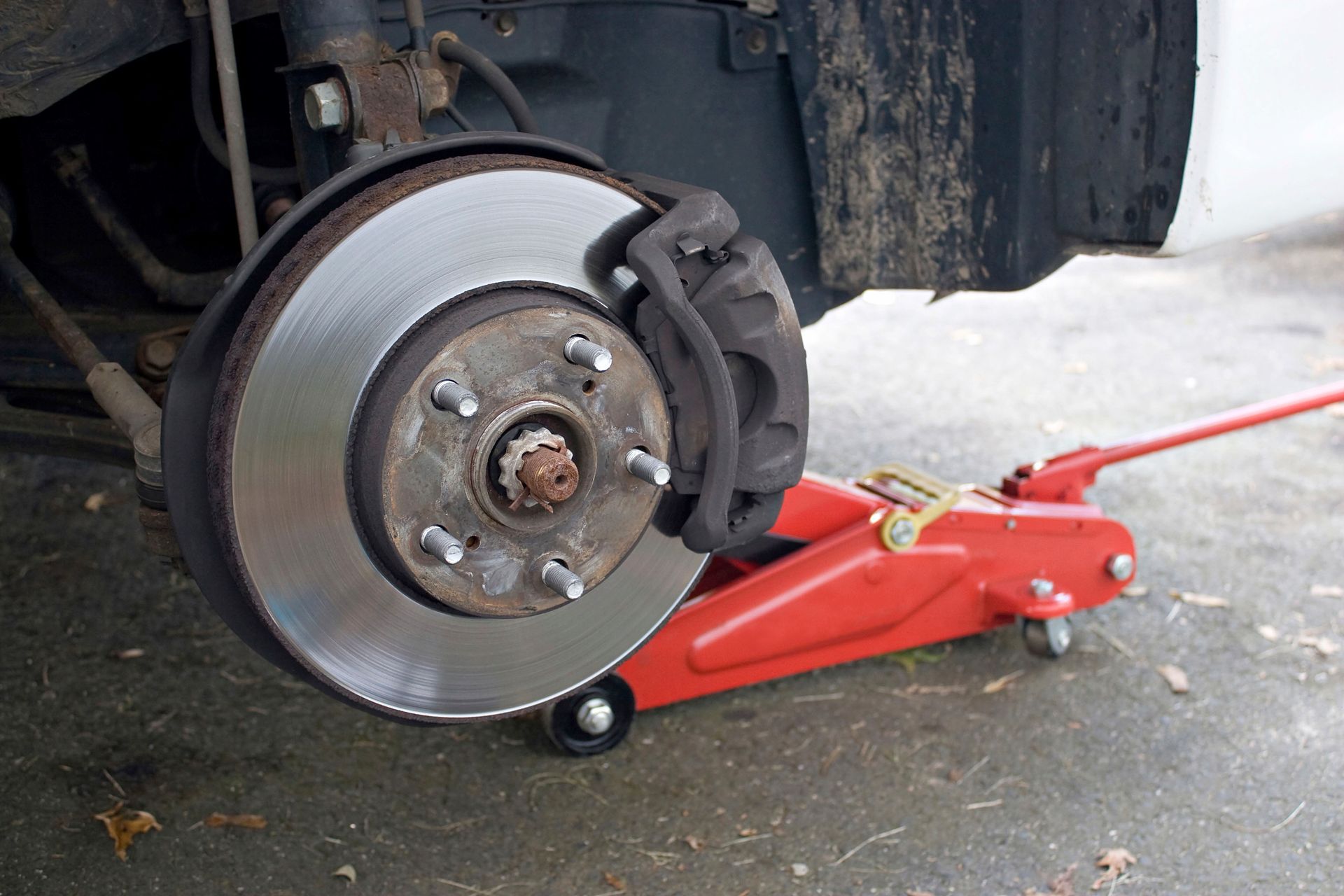
Brake pads, rotors, and other braking components experience normal wear throughout vehicle ownership. High mileage means the system has already undergone extensive use, making continued inspections essential. Professional evaluations help determine component condition and identify when service is appropriate.
Responding to Brake Changes
Squealing, grinding, vibration, changes in pedal feel, or increased stopping distance should receive prompt attention. These symptoms can have different causes, and a qualified technician can determine what the vehicle requires. Regular automotive service provides opportunities to identify braking concerns before they become more extensive.
Evaluating Brake Fluid
Brake fluid is another maintenance item that should be considered according to manufacturer guidance and vehicle condition. The braking system depends on proper hydraulic operation, making professional evaluation important as the vehicle ages.
Prioritizing Dependable Stopping
Engine performance may receive considerable attention on a high-mileage vehicle, but dependable braking remains equally important. Keeping the braking system professionally maintained supports safe, predictable operation during daily driving.
Maintaining Overall Vehicle Reliability
Following the Maintenance Schedule
A manufacturer's maintenance schedule remains valuable after 100,000 miles. In fact, it may become even more important because several major service intervals can occur around or beyond this point. Reviewing maintenance history helps professionals understand what has already been completed and what may be approaching.
Scheduling Regular Inspections
Routine appointments give technicians opportunities to observe developing wear before it creates obvious symptoms. Consistent automotive service can help high-mileage vehicle owners plan for future maintenance instead of learning about every problem through a breakdown or warning light.
Keeping Service Records
A documented maintenance history provides useful information about previous repairs, replaced components, and completed services. These records can help technicians make informed recommendations and can also demonstrate consistent care if the vehicle is eventually sold or traded.
Planning for Continued Ownership
Keeping an older vehicle reliable requires realistic expectations. Components will eventually wear and require replacement, but that does not automatically mean the vehicle has reached the end of its useful life. Its overall condition, repair history, reliability, and future needs can help determine whether continued ownership makes financial and practical sense.
Passing 100,000 miles should be viewed as a reason to become more attentive to vehicle maintenance rather than a reason to assume replacement is immediately necessary. Engines, cooling systems, transmissions, suspension components, steering systems, and brakes all experience wear differently. Professional inspections help owners understand which components remain in good condition and which ones may need attention as mileage continues to rise.
Consistency is especially valuable during this stage of vehicle ownership. Following manufacturer recommendations, responding to warning signs, maintaining accurate service records, and scheduling professional automotive service can help prevent avoidable neglect from shortening a vehicle's useful life. While no maintenance program can make an older vehicle literally new again, appropriate care can help preserve dependable performance and make future repair needs more predictable.
If your vehicle has reached 100,000 miles or beyond, contact Guerrero Auto Repair - Big Discount Tire today. Our team can provide professional automotive service to help you understand your vehicle's maintenance needs, address developing concerns, and keep your high-mileage car or truck performing reliably for the miles ahead.