July 24, 2026
Braking is one of the most essential functions of any vehicle, but when your car begins to shake during this process, it often signals a deeper mechanical issue. What starts as a minor vibration can quickly turn into reduced braking performance, uneven tire wear, or even safety risks if ignored for too long. Understanding why this happens helps drivers take the right steps before the problem escalates.
In many cases, the issue is related to wear in the braking system, but suspension and tire problems can also play a role. Seeking timely auto service can help diagnose the exact cause and restore smooth, safe braking performance. Addressing the issue early not only improves safety but also helps prevent more expensive repairs later on.
What Causes My Car to Shake When I Apply the Brakes?
When a car shakes during braking, the cause is usually linked to uneven force distribution somewhere in the vehicle’s braking or wheel system. One of the most common reasons is worn or uneven brake components that no longer make consistent contact with the rotors.
Brake calipers that are sticking or not releasing properly can also create uneven pressure. This leads to vibrations that become noticeable in the steering wheel or brake pedal. Suspension components such as worn bushings, tie rods, or ball joints may worsen the issue by allowing excess movement when braking.
Tire problems can also contribute significantly. Uneven tread wear, internal tire damage, or wheels that are out of balance often become more noticeable during deceleration. A full auto service inspection is typically needed to determine whether the issue originates from the brakes, suspension, or tires. In many cases, the vibration is not caused by a single fault but by a combination of minor wear across multiple systems, which is why a comprehensive diagnostic approach during auto service is the most reliable way to pinpoint the exact source and restore stable braking performance.
How Do Worn Brake Pads Contribute to the Shaking Issue?
Brake pads are designed to create friction against the brake rotors, slowing the vehicle down smoothly. Over time, these pads wear down and lose their ability to make even contact. When this happens, braking becomes uneven, and vibrations begin to form.
According to AAA, brake pads typically last between 30,000 and 80,000 miles, depending on driving habits, terrain, and vehicle type. City driving with frequent stops tends to wear pads faster than highway driving.
As brake pads deteriorate, drivers may notice squealing noises, reduced braking responsiveness, or vibration during braking. In more advanced cases, the metal backing of the pad may begin contacting the rotor, creating severe shaking and potential damage. Routine auto service helps identify worn pads before they reach this stage and ensures proper replacement before damage spreads to other components.
Can Rotor Issues Be Responsible for the Shaking?
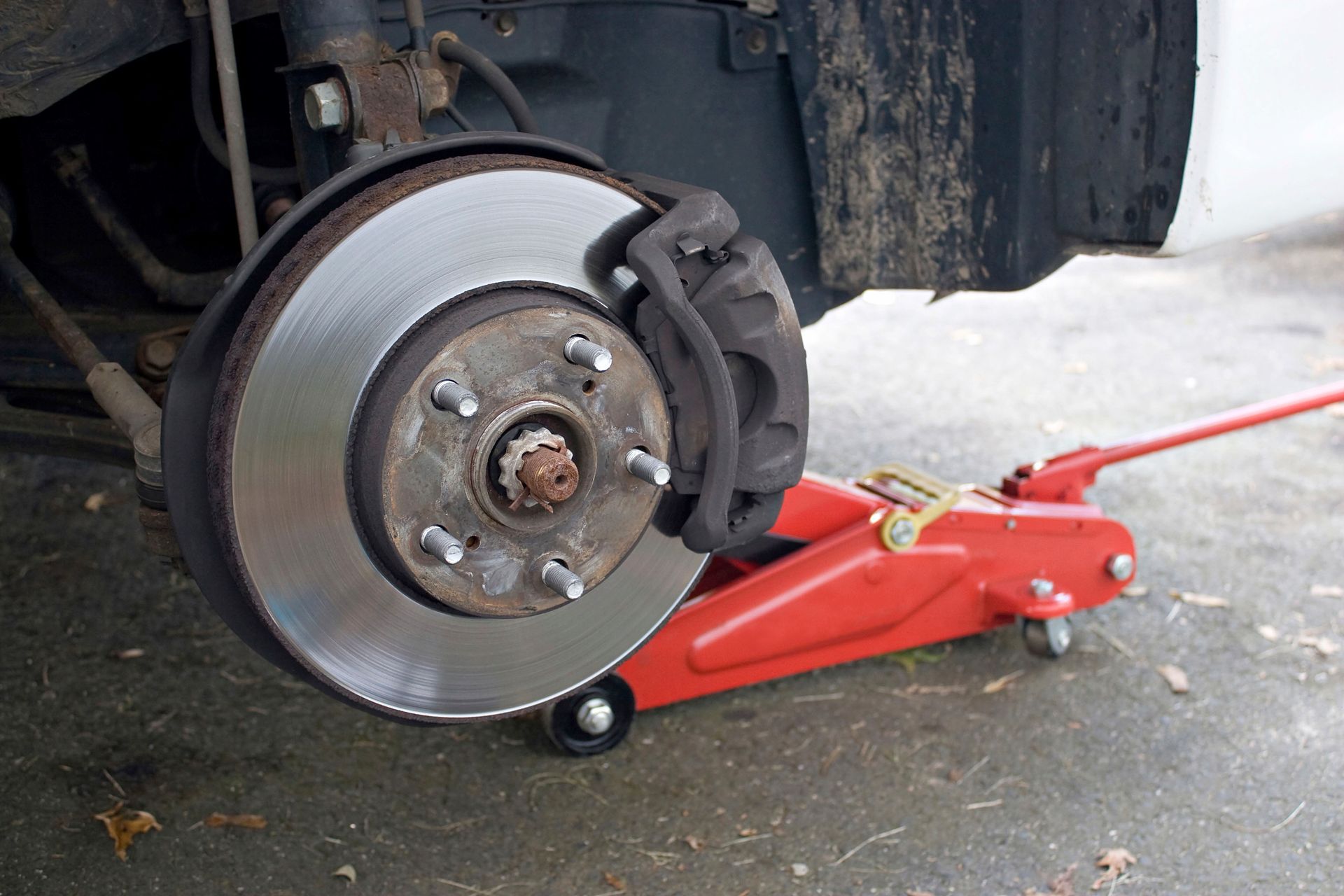
Brake rotors are another major factor in braking performance. When brake pads clamp down on the rotor surface, friction slows the wheel rotation. However, over time, rotors can develop uneven thickness or surface wear, often referred to as warping.
When this occurs, the brake pads no longer make consistent contact with the rotor surface. Instead, they create a pulsing or vibrating sensation that travels through the brake pedal and steering wheel. This is especially noticeable during moderate to heavy braking.
Signs of rotor-related issues include vibration at higher speeds when braking, a pulsating brake pedal, and visible grooves or scoring on the rotor surface. During professional auto service, technicians measure rotor thickness and surface variation to determine whether resurfacing or replacement is required.
Ignoring rotor issues can lead to faster brake pad wear and reduced stopping efficiency, making early diagnosis important.
Could My Tires Be Causing the Shaking When I Brake?
While brake components are often the first suspect, tires are frequently responsible for shaking during braking. Tires that are improperly balanced create uneven rotation, which becomes more noticeable when the vehicle slows down.
Uneven tire wear is another common issue. When tread wears inconsistently across the surface, the tire loses its ability to maintain smooth contact with the road. This can produce vibrations that intensify during braking.
Low tire pressure can also contribute by allowing the tire sidewalls to flex excessively. In more severe cases, internal tire damage or bent wheels may be the root cause. These issues are often identified during routine auto service inspections that include tire rotation, balancing, and alignment checks.
Because tires directly affect how the vehicle interacts with the road, even minor defects can feel amplified when braking force is applied. This is especially true at higher speeds or during sudden stops, where small imperfections in the tire surface are transferred more directly into the suspension system. Over time, ignoring these symptoms can place additional stress on steering and braking components, making early diagnosis during regular auto service even more important.
When Should I Seek Professional Auto Service for Brake Shaking?
Any time a vehicle begins shaking during braking, it is a sign that something in the system is no longer functioning properly. While minor vibrations may develop gradually, more intense shaking should never be ignored.
A professional inspection becomes especially important when symptoms worsen over time or are accompanied by noises such as grinding or squealing. In these situations, delaying auto service can lead to further damage in both the braking system and surrounding components.
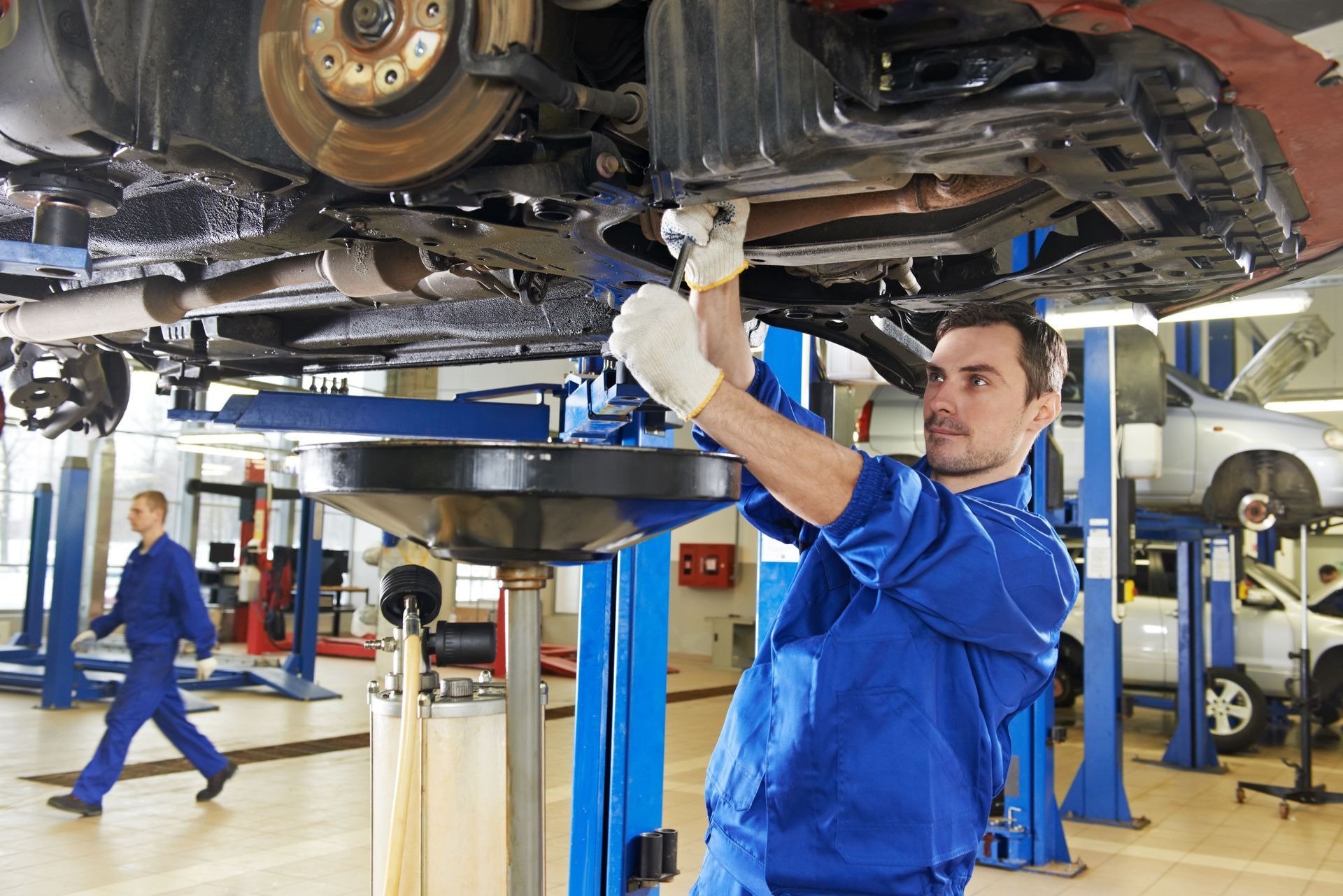
Technicians typically inspect brake pads, rotors, calipers, suspension components, wheel bearings, and tires to identify the root cause. Because multiple systems can produce similar symptoms, a full diagnostic approach is often necessary rather than replacing parts individually.
Timely service helps prevent small issues from escalating into major repairs and ensures the vehicle remains safe to operate. In many cases, what starts as a minor vibration during braking can develop into reduced stopping power or uneven braking response if left unaddressed. A thorough inspection during regular auto service visits helps catch these issues early, restoring consistent performance and reducing the risk of unexpected failures on the road.
What Are the Repair Options and Estimated Costs?
Repair options depend entirely on the source of the problem. If brake pads are worn, replacing them is often the first step. In some cases, rotors may also need resurfacing or replacement depending on their condition.
If the issue stems from tire imbalance or wear, solutions may include tire balancing, rotation, alignment, or replacement. Suspension-related problems may require replacing worn joints, bushings, or other supporting components.
Professional auto service ensures that repairs address the actual cause rather than just the symptoms. While some drivers attempt basic brake repairs themselves, diagnosing vibration issues often requires specialized tools and experience to ensure accuracy.
Delaying repairs can increase overall costs, especially if worn components damage surrounding parts such as rotors or tires.
A car that shakes when braking is more than just an inconvenience; it is often an early warning sign of wear or damage within critical vehicle systems. Whether the issue is caused by brake pads, rotors, tires, or suspension components, identifying the source quickly is essential for maintaining safe driving conditions.
Regular auto service plays a key role in preventing these issues from developing and catching problems early before they become serious. By addressing brake vibration promptly, drivers can restore smooth performance, improve safety, and extend the life of their vehicle. If you need new brakes, reach out to the team at Guerrero Auto Repair - Big Discount Tire today!